
 HIPROBOT

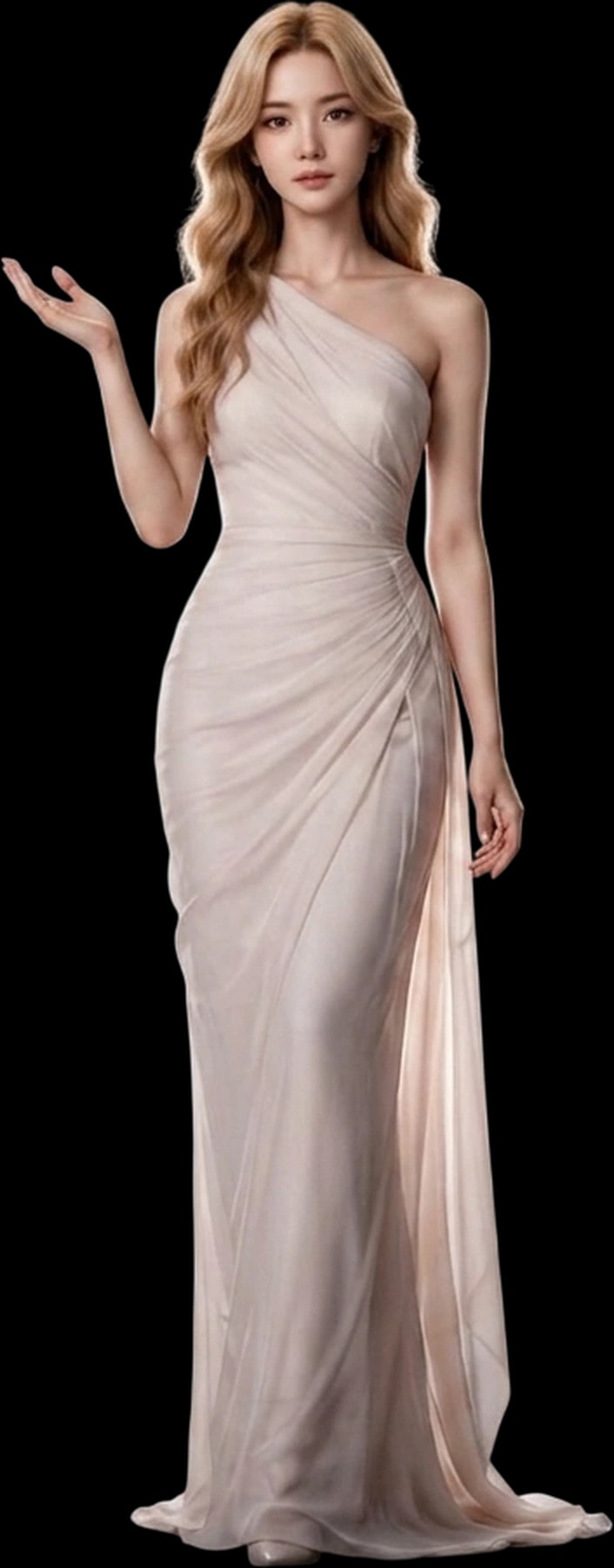
U1 ULTRA FEMALE
UBTECH UWORLD U1 Ultra — Female
Technical data
- Height
- ~168 cm
- Weight
- ~35,2 kg
- Degrees of freedom
- 88
- Processor
- Rockchip RK3588
- Exterior
- silikon
UBTECH UWORLD U1
UBTECH U1 Ultra
The U1 ULTRA tops the UWORLD U1 series, UBTECH’s consumer brand, unveiled in Shenzhen on 30 June 2026. The series holds three machines: the U1 Lite in a semi-torso edition, the full-body U1 Pro, and the U1 ULTRA, the most mobile of the three. It is sold in a male configuration (183 cm, 42 kg) and a female one (~168 cm, ~35.2 kg).
The manufacturer positions it for companionship and emotional support at home, for the care of older people and those left on their own, for reception in premium service settings, for tourism and education, and for research into embodied AI. It is not a production-floor worker — the Walker S series exists for that, and is already in series manufacture and delivery at UBTECH.
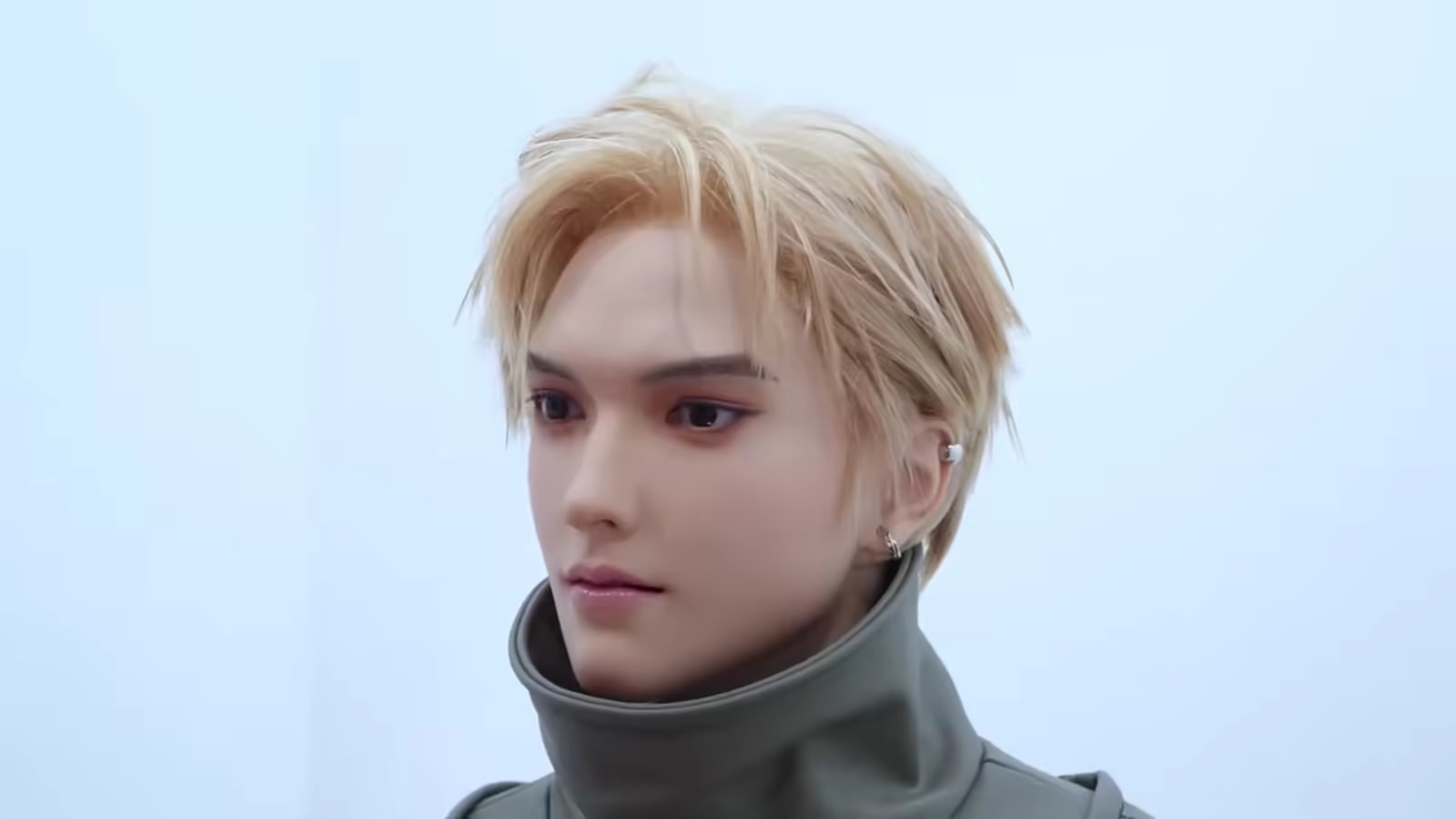
U1 ULTRA in motion
Footage from the UWORLD U1 launch, where UBTECH showed several units together in Shenzhen on 30 June 2026. Everything here is film of real machines — no animation.
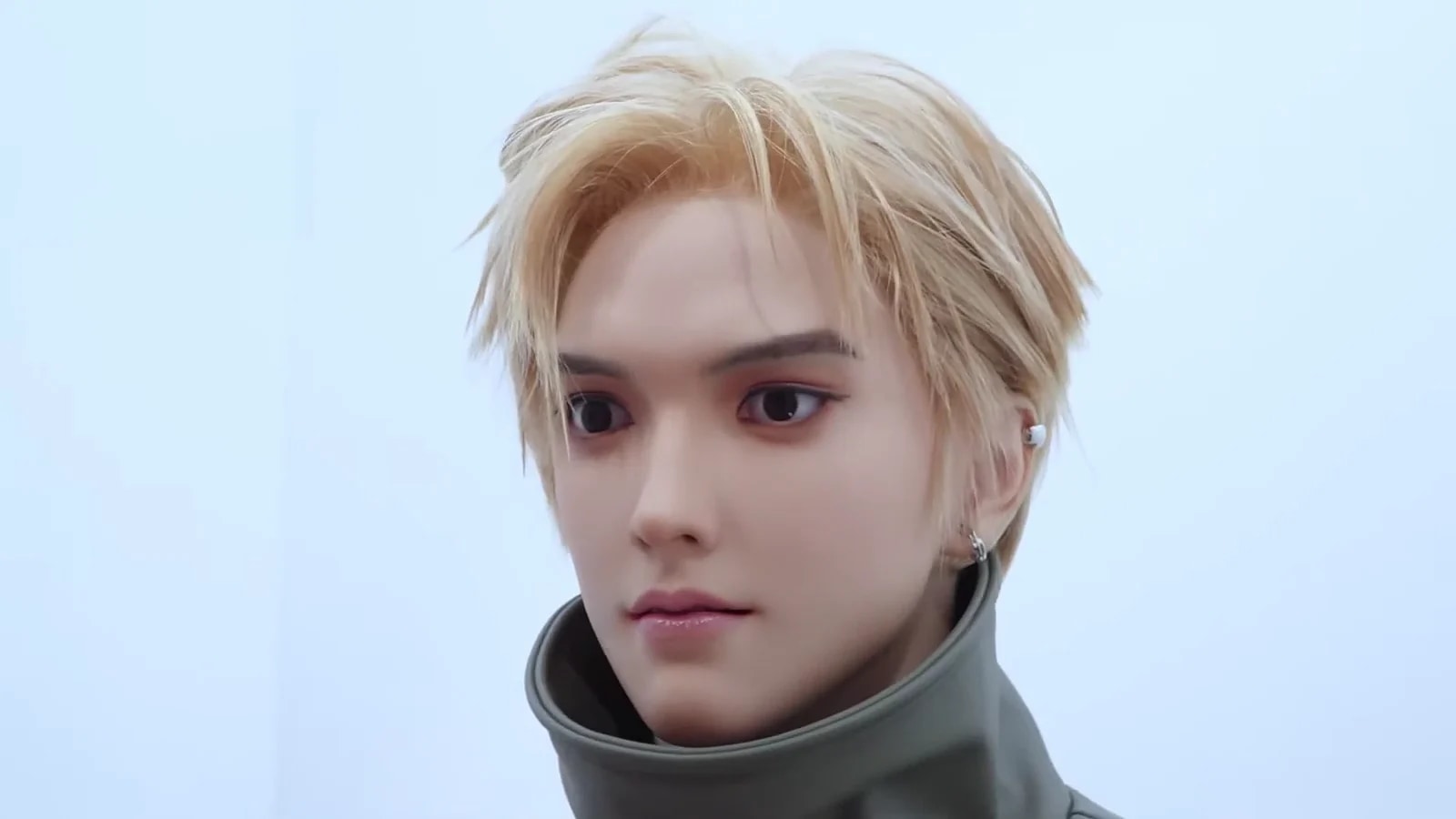
Biomimetic silicone skin
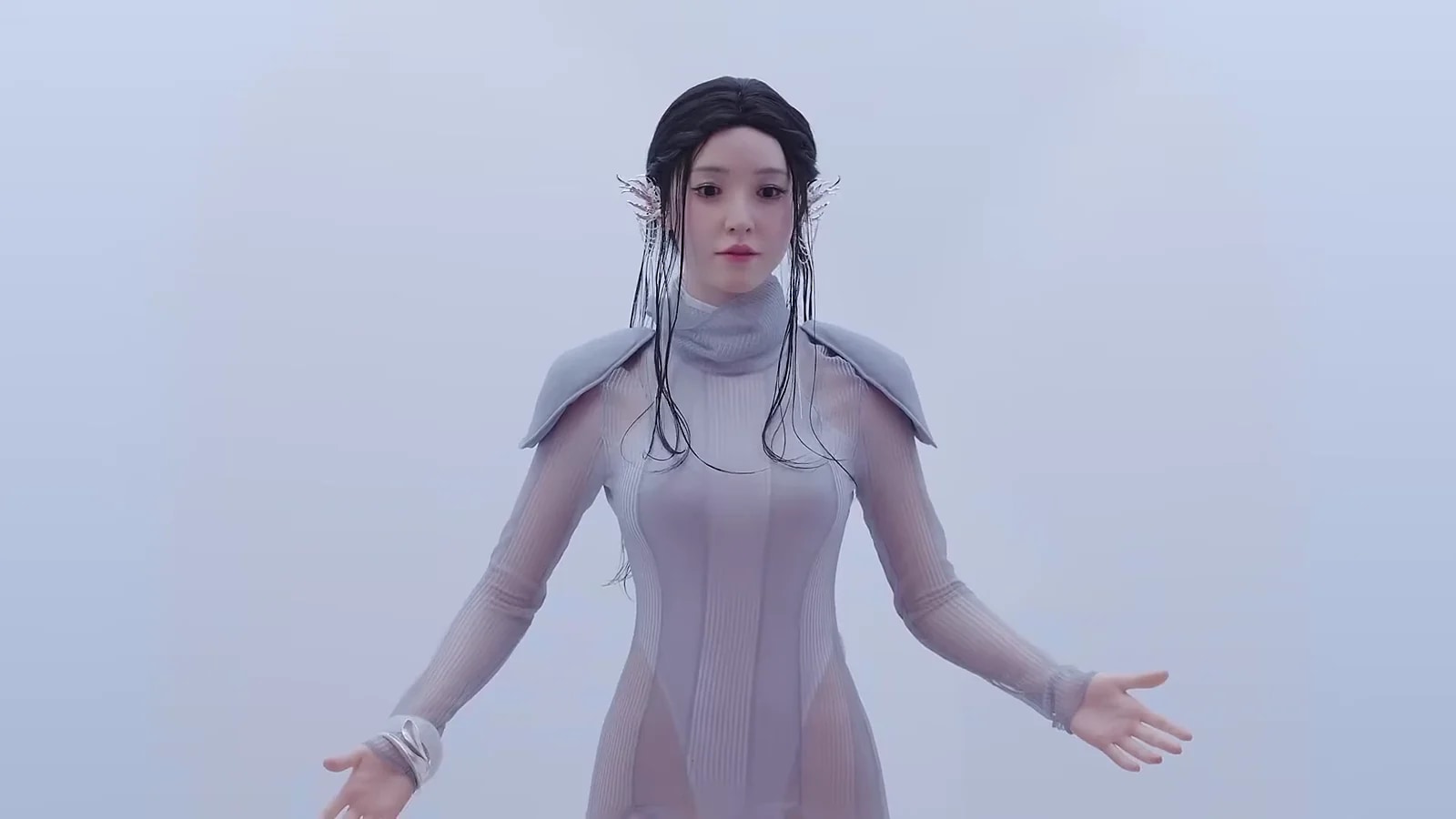
The exterior is a silicone engineered to reproduce the look and feel of human skin, with hair, facial expression and eyes that follow movement. At the launch several units walked the stage alongside people — which is the point of this configuration: the robot should be easy to be near, not merely useful.
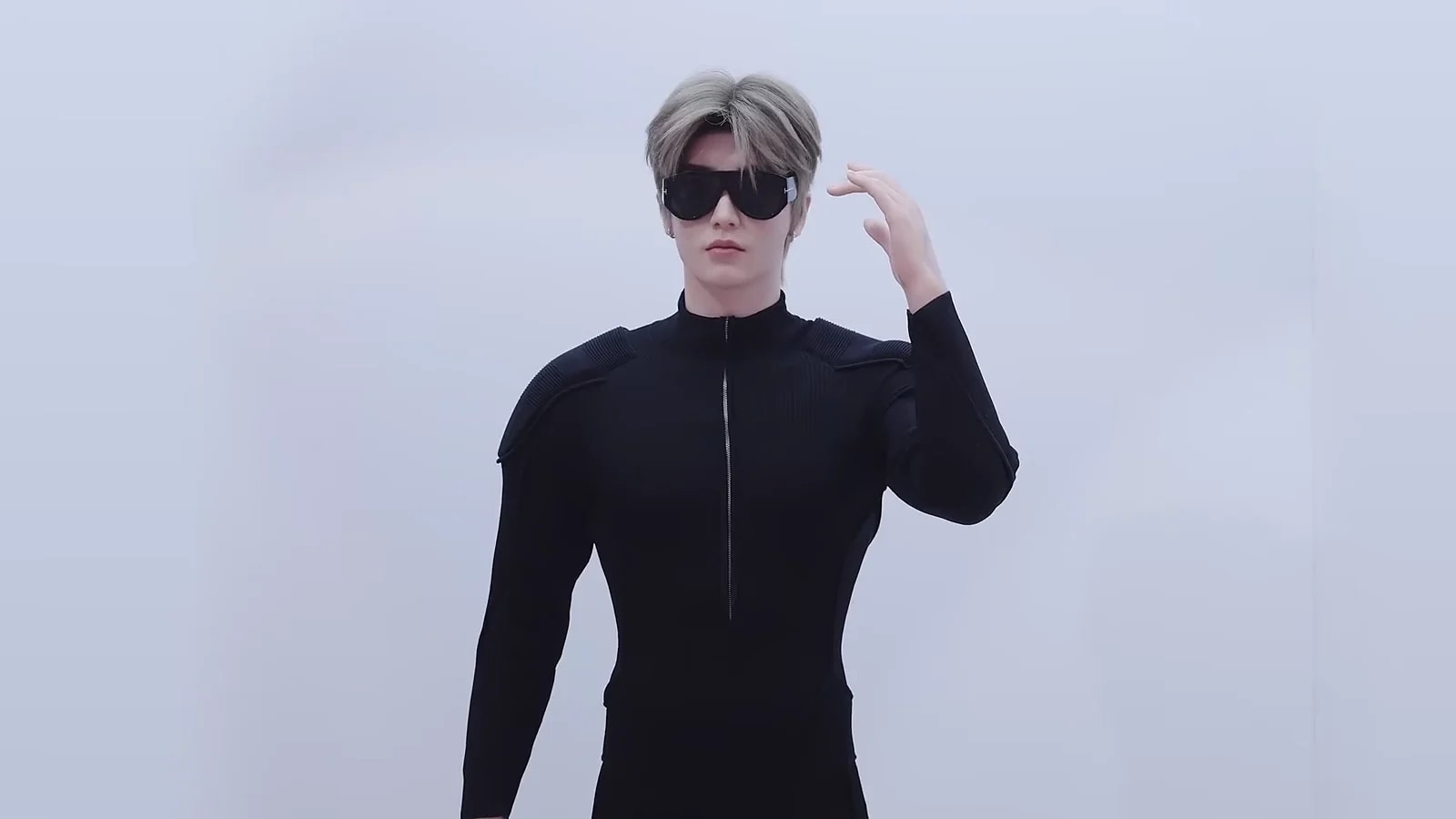
Dual-pivot cervical spine and 88 degrees of freedom
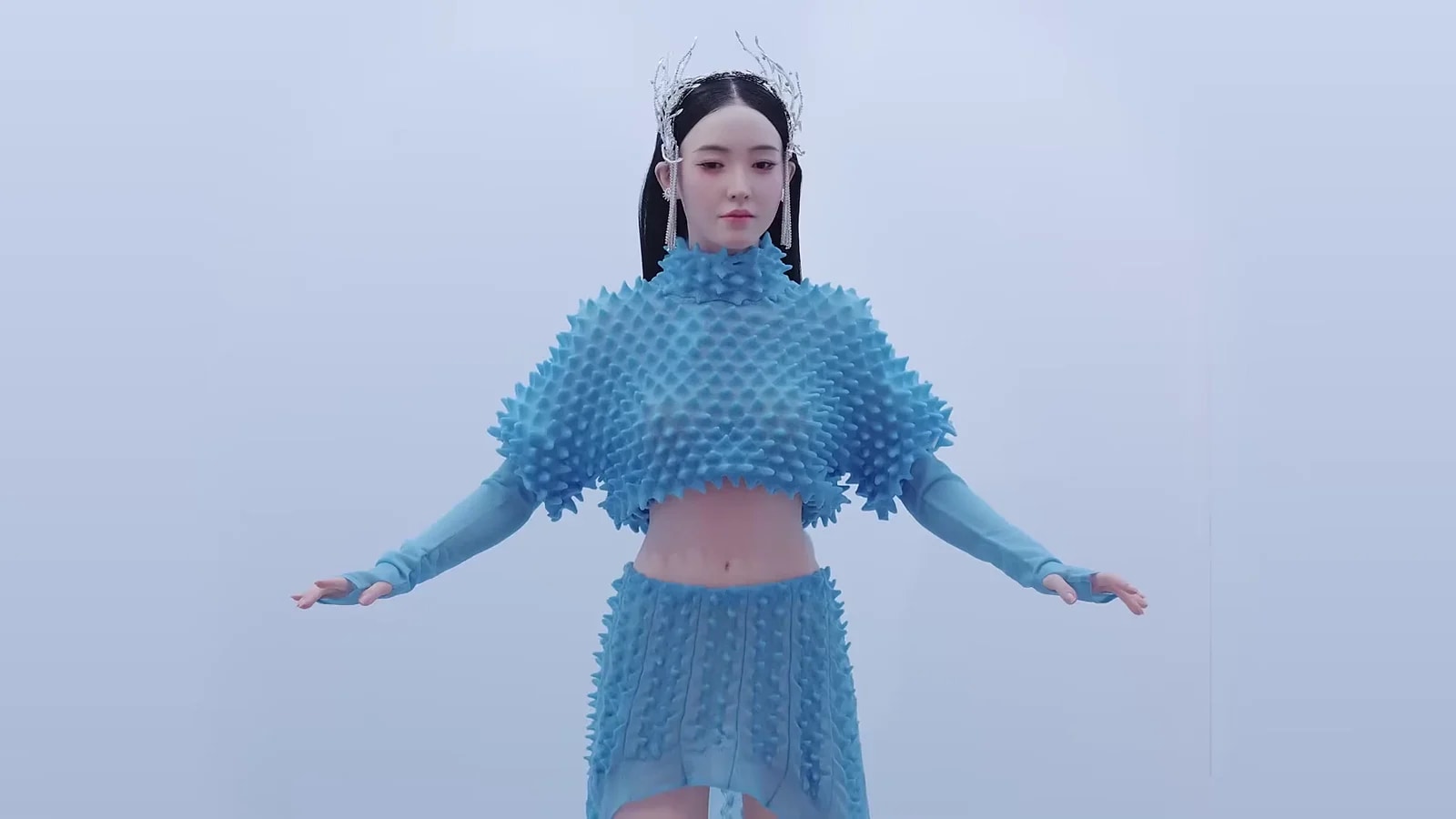
The robot has 88 degrees of freedom — 88 driven joints — and a proprietary biomimetic cervical spine with two pivots. Together, the manufacturer states, they reproduce up to roughly 90% of fundamental human movements, which is what decides whether head and upper-body motion reads as natural or mechanical. That mobility is what separates the ULTRA from the lighter U1 Lite and U1 Pro.
An emotion-driven model, running on the device
Conversation is led by an emotion-driven language model running locally on a Rockchip RK3588 processor. Because it computes on the device, responses are fast and the data stays with the owner. Long-term memory and multimodal awareness let it carry on where the last conversation ended instead of starting each one over. The whole stack — skin, hardware, operating system and model — is the manufacturer’s own.
Configurations and personalisation
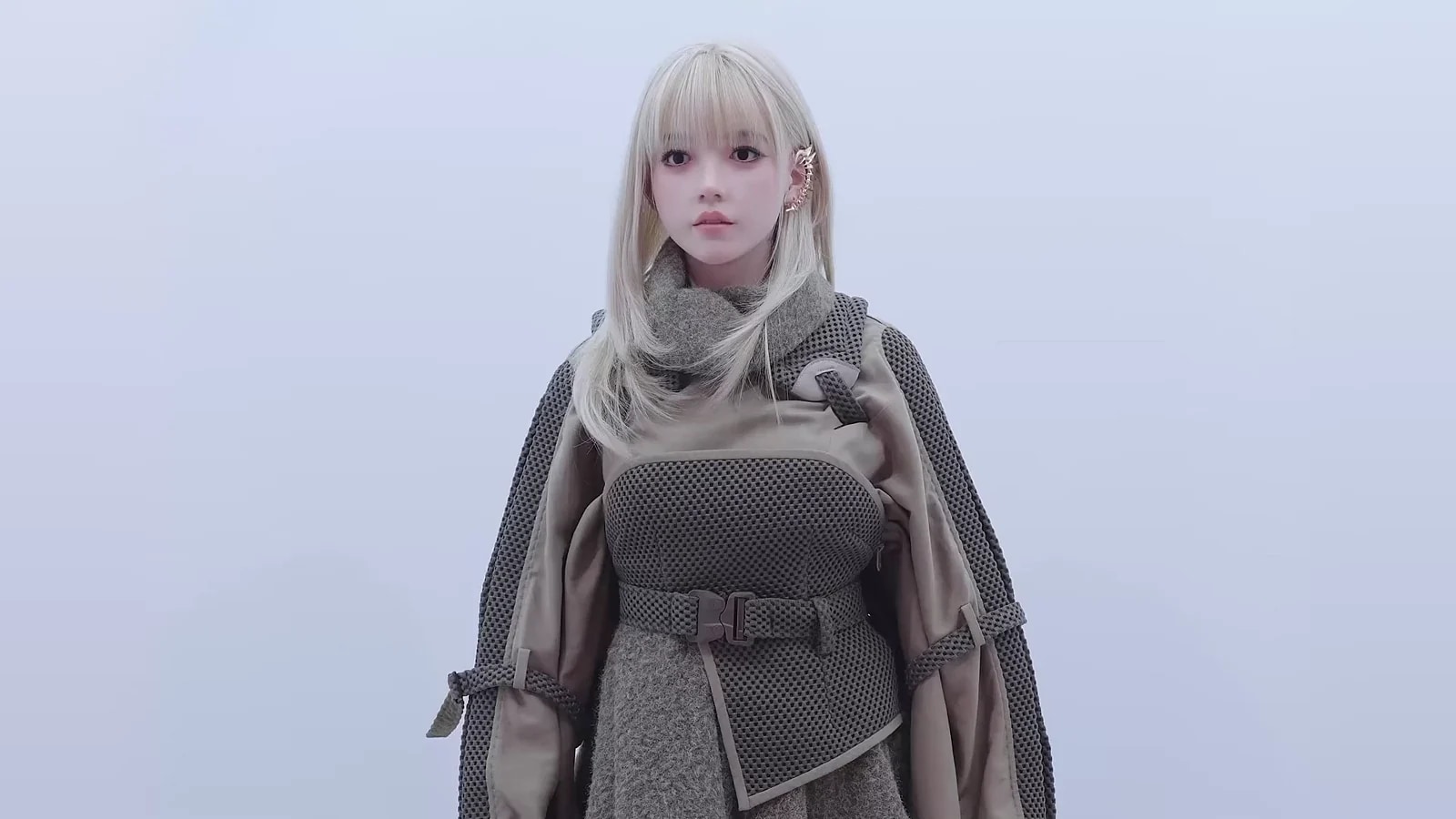
Appearance and character develop with use, so each machine ends up with one of its own. Personalisation goes furthest in the face and the voice: the manufacturer can reconstruct a face in three dimensions and reproduce a person’s voiceprint — a capability it presented together with a pledge to donate a hundred customised units in 2026 to older people living alone, children separated from their parents, and families in difficulty. Interest was strong from day one: the manufacturer reported more than 13,361 orders across the series.
Arm movement and balance
A unit stands with arms open on level ground — 88 driven joints hold the pose unsupported.
Appearance without facial features
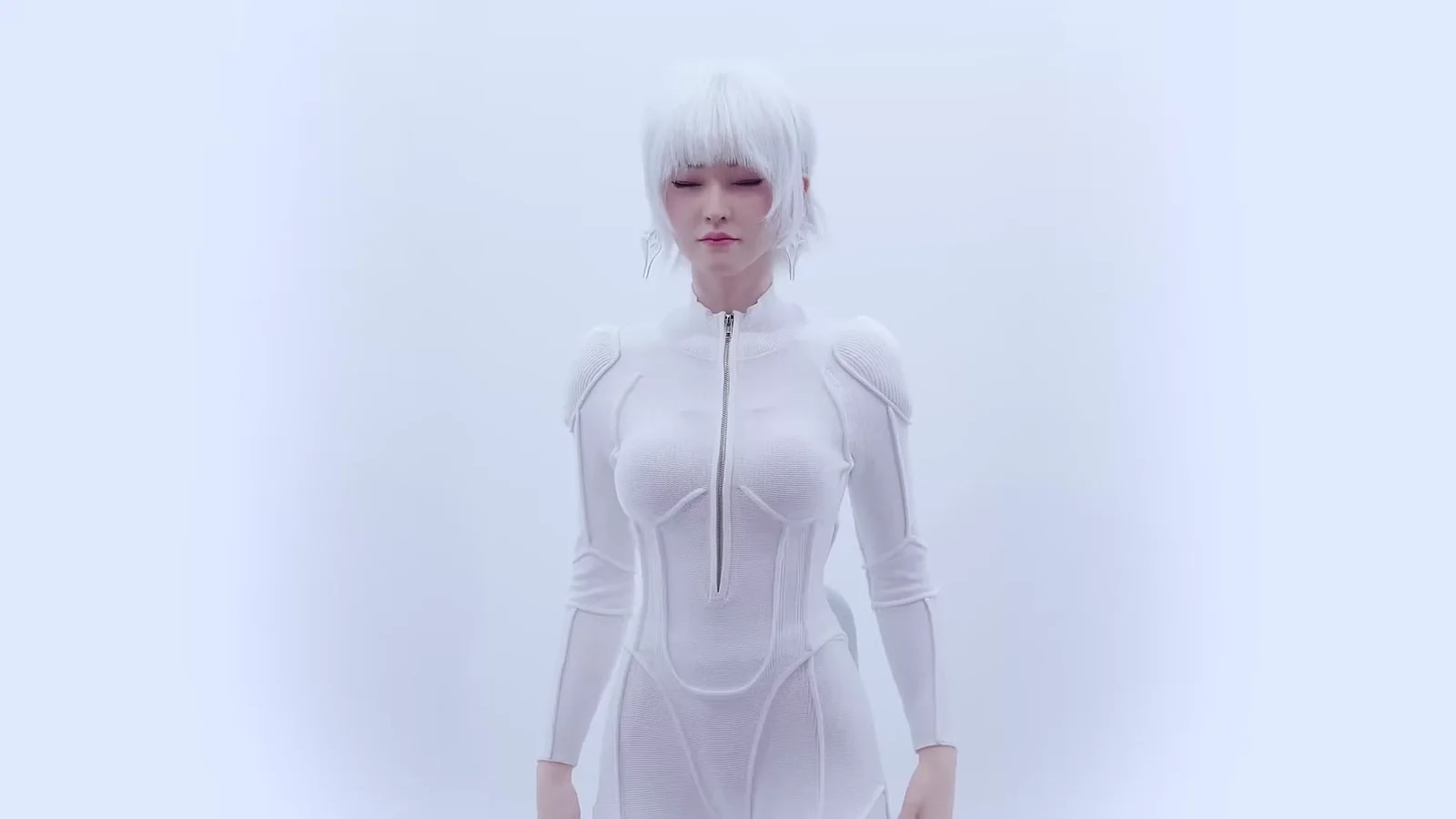
The same machine, another exterior: skin and clothing are interchangeable, the mechanics underneath are not.
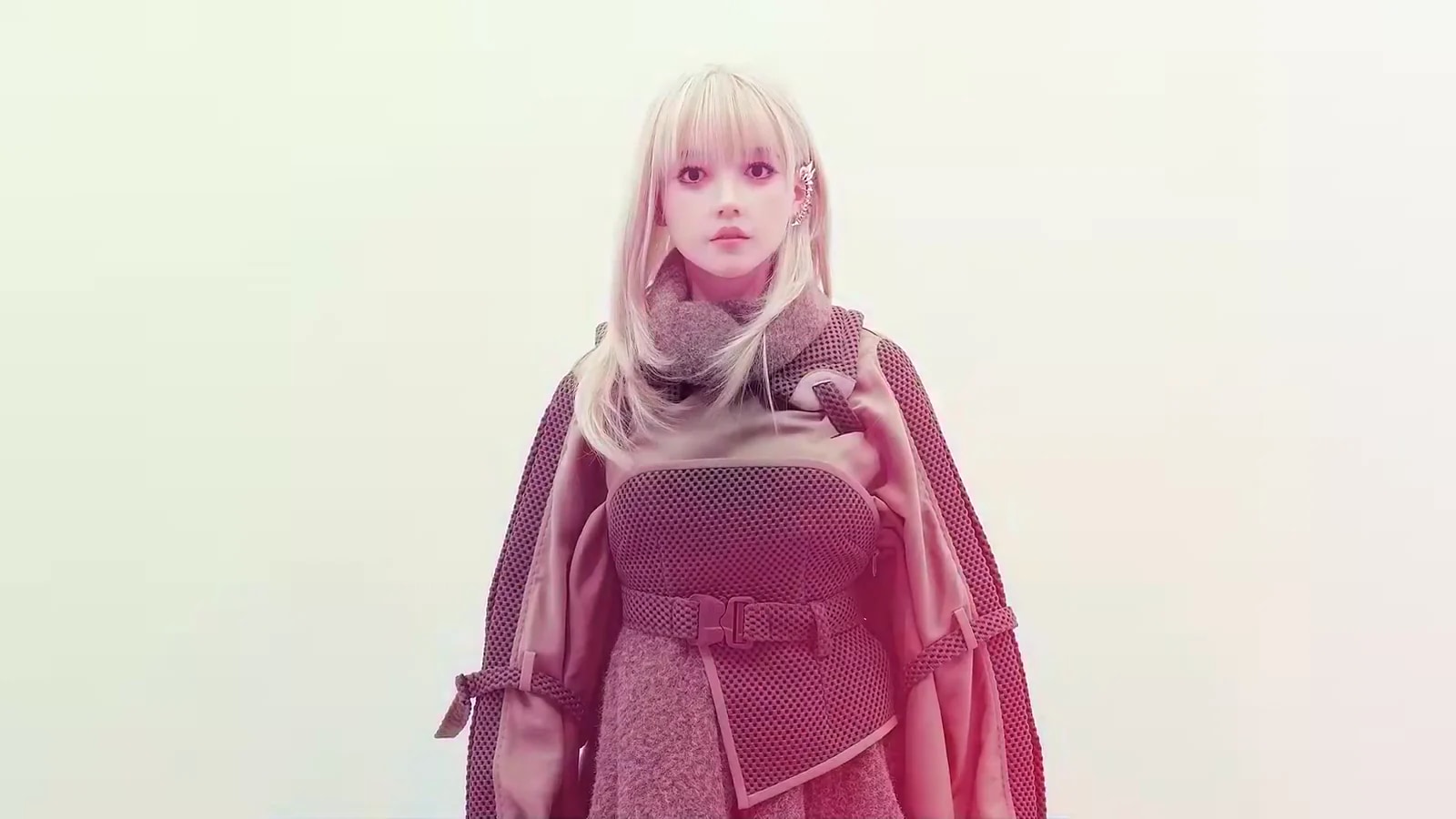
The face up close
Silicone skin, hair and eyes that follow movement — what decides the first impression in a room.
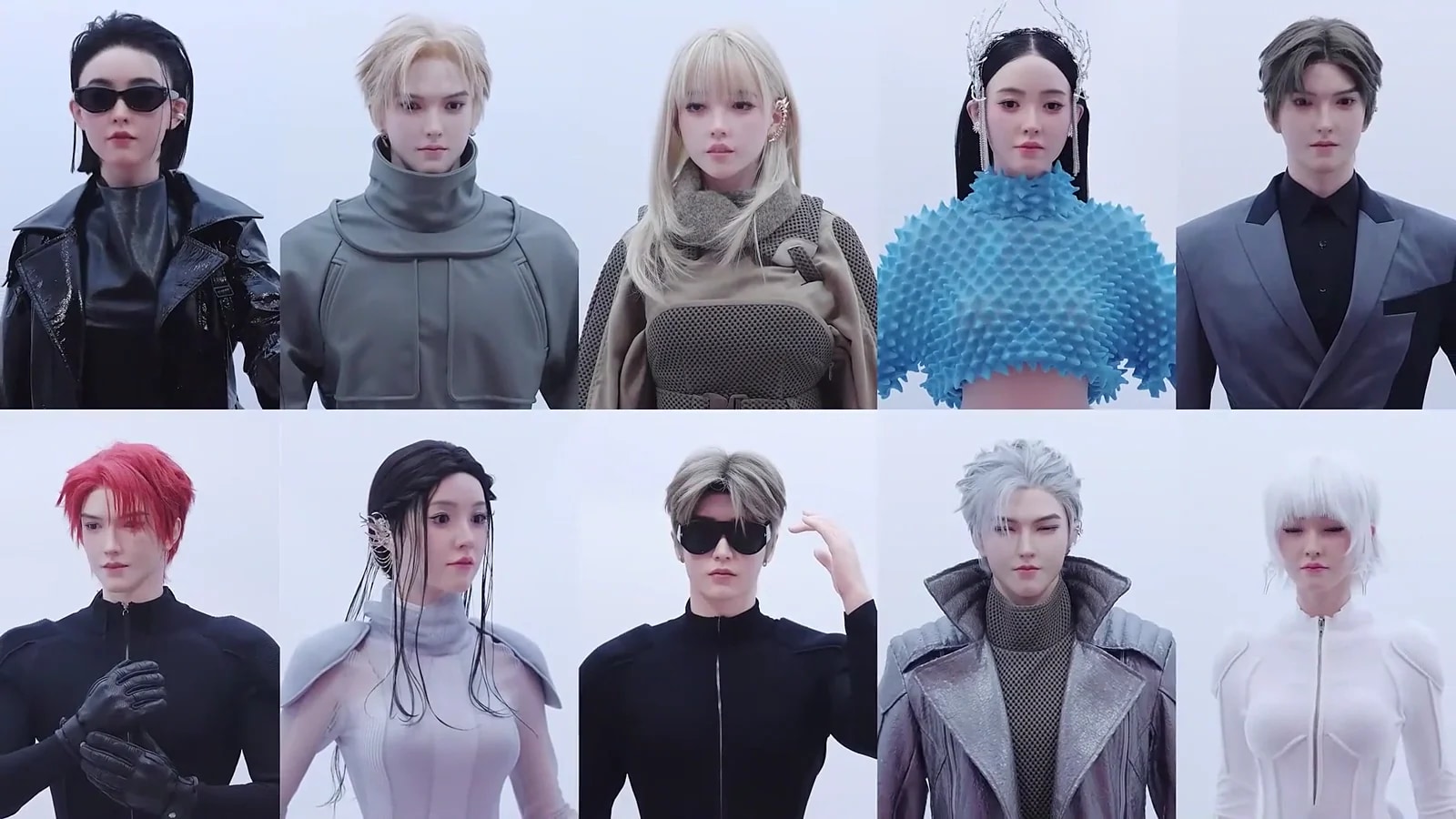
Ten units together
From the launch in Shenzhen on 30 June 2026, where the UWORLD U1 series appeared in several configurations.