 HIPROBOT

Humanoid robots in industry
Labour shortages, pressure to cut costs, to raise efficiency …
Do you know the feeling?
You arrive at the plant in the morning and you already know: somebody has quit, the shift is short-handed, and the jobs that are physically hardest, most monotonous, or run in heat, cold and dust are waiting again.
You look for a replacement, but there are no candidates. Those who do come don’t last long — the human body is not built to carry that pace and those conditions for years.
Meanwhile the pressure keeps coming: lower unit costs, higher efficiency, faster delivery.
The competition somehow manages. You are asking yourself how.
Classic automation doesn’t solve this.
Your processes are designed for a human — for hands, for finding one’s way around a space.
An industrial robot cannot step into a role where every day is different.
And so you stay caught between two pressures that never let up: a chronic labour shortage on the hardest, most punishing jobs, and relentless cost pressure where every euro counts.
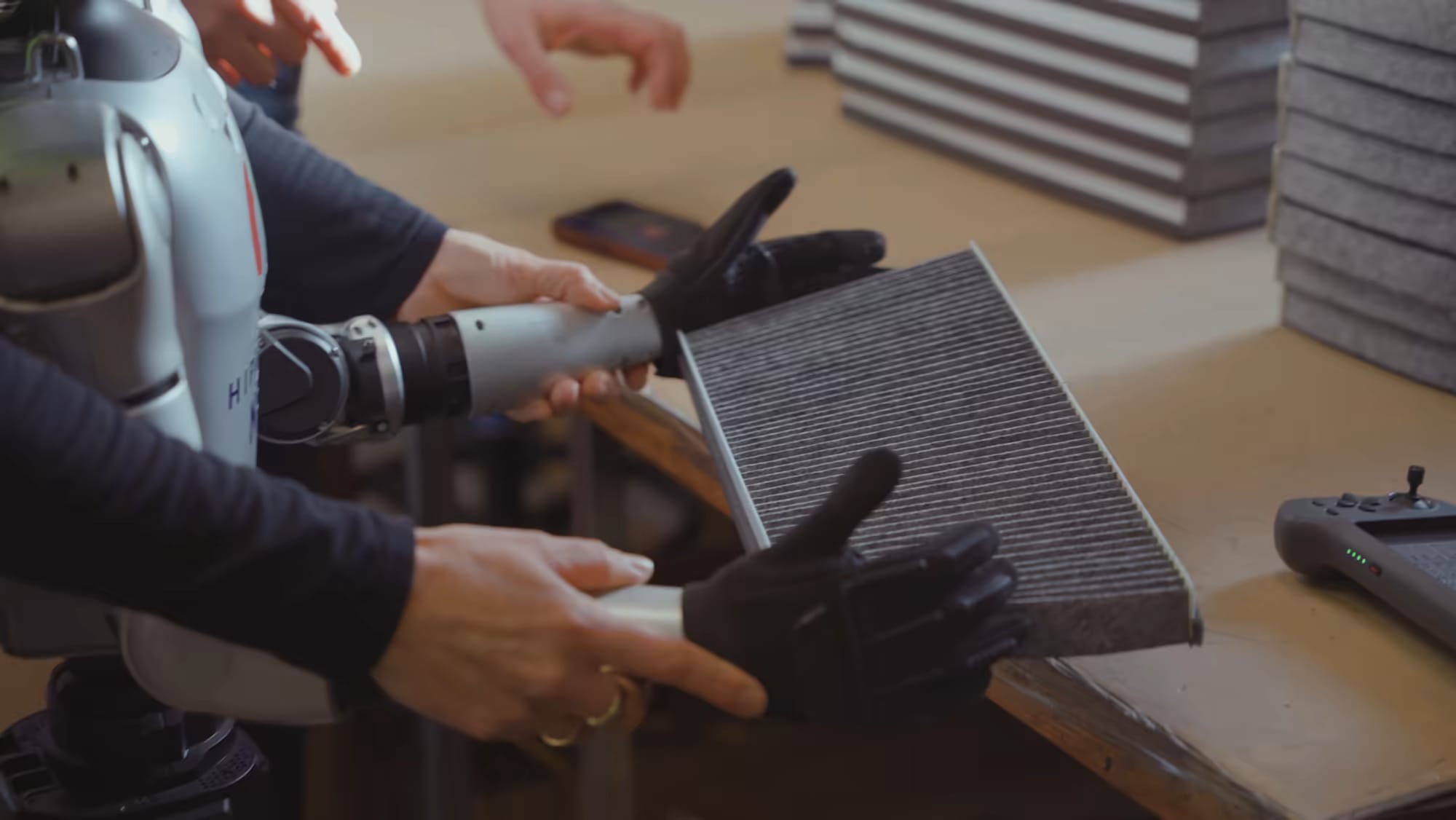
Are humanoids ready for a real industrial environment?
You see the answer in humanoid robots. The ones that can take over exactly these jobs: the physically hardest, the repetitive ones, work in the heat of melting furnaces, the cold of cold stores, or the dust of sandblasting and grinding.
But then comes the question you don’t ask out loud, because you are the leader and people expect decisiveness from you:
Is this technology even mature enough for a real industrial environment?
What if we invest in humanoid robots and it doesn’t work?
What will the employees say? Will there be resistance?
Who will back us up when something goes wrong at 11 p.m. on a Saturday?
These doubts are not a sign of poor leadership. They are a sign that you have been burned before — by a supplier who sold and vanished. By a solution that worked in the demo room but not on your floor.
We understand, and that is why we work differently.
A plant that runs 24 hours. No sick leave, no holidays. 12 to 18 months ahead of the competition.
Imagine a plant where the jobs nobody wants — the physically demanding, monotonous, dangerous ones — run without interruption. 24 hours. No sick leave. No resignations.
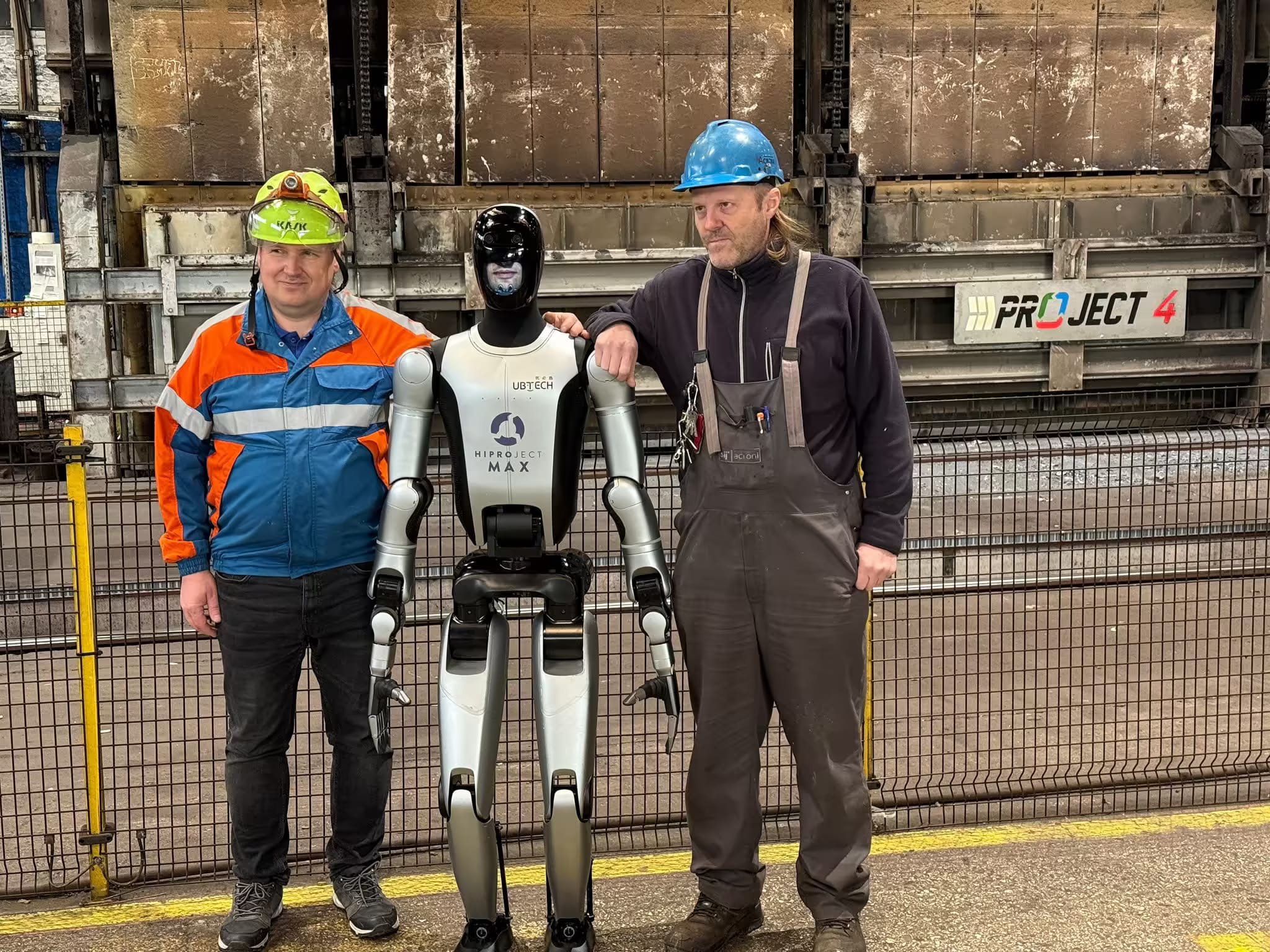
Your team no longer deals with that heavy work. It deals with supervision, optimisation, decisions — where experience and knowledge are truly needed. Unit costs are predictable. Processes stable. Management satisfied.
And you are 12 to 18 months ahead of competitors who are only starting to think about it.
A team with more than 20 years of experience in industrial processes, automation and robotics
Most companies that introduce a humanoid robot walk into the same trap: they get a device, not a solution. The machine arrives, the processes don’t change, the integration creaks, there is no support.
At HIPROJECT it is different: behind us is not just knowledge of robots but more than 20 years of work with industrial processes and automation. We know how your plant breathes.
First we understand your process. Only then do we recommend a solution.
Before recommending any humanoid robot, we analyse your working environment, your processes, your bottlenecks. We often find things the customer hadn’t seen themselves.
We integrate, program and adapt: for your specific process.
The robot that arrives is adapted to your space, your lines, your teams. You don’t get a machine out of a box. You get a working solution.
Safety and independence are not a compromise.
The robots run on local, European servers — separate from the manufacturer’s systems. Your data stays yours.
We recommend the right combination: not necessarily a humanoid alone.
Sometimes the optimal solution is a humanoid robot. Sometimes a combination of a humanoid and an industrial robot. Our goal is not to sell a robot — it is to solve your problem in the best possible way.
We stay: long after delivery.
Team training, service, optimisation, upgrades. We are not a supplier who disappears after the contract is signed. We are a partner for the long road.
We offer financing
You can finance the investment in robots — in cooperation with BKS Bank.
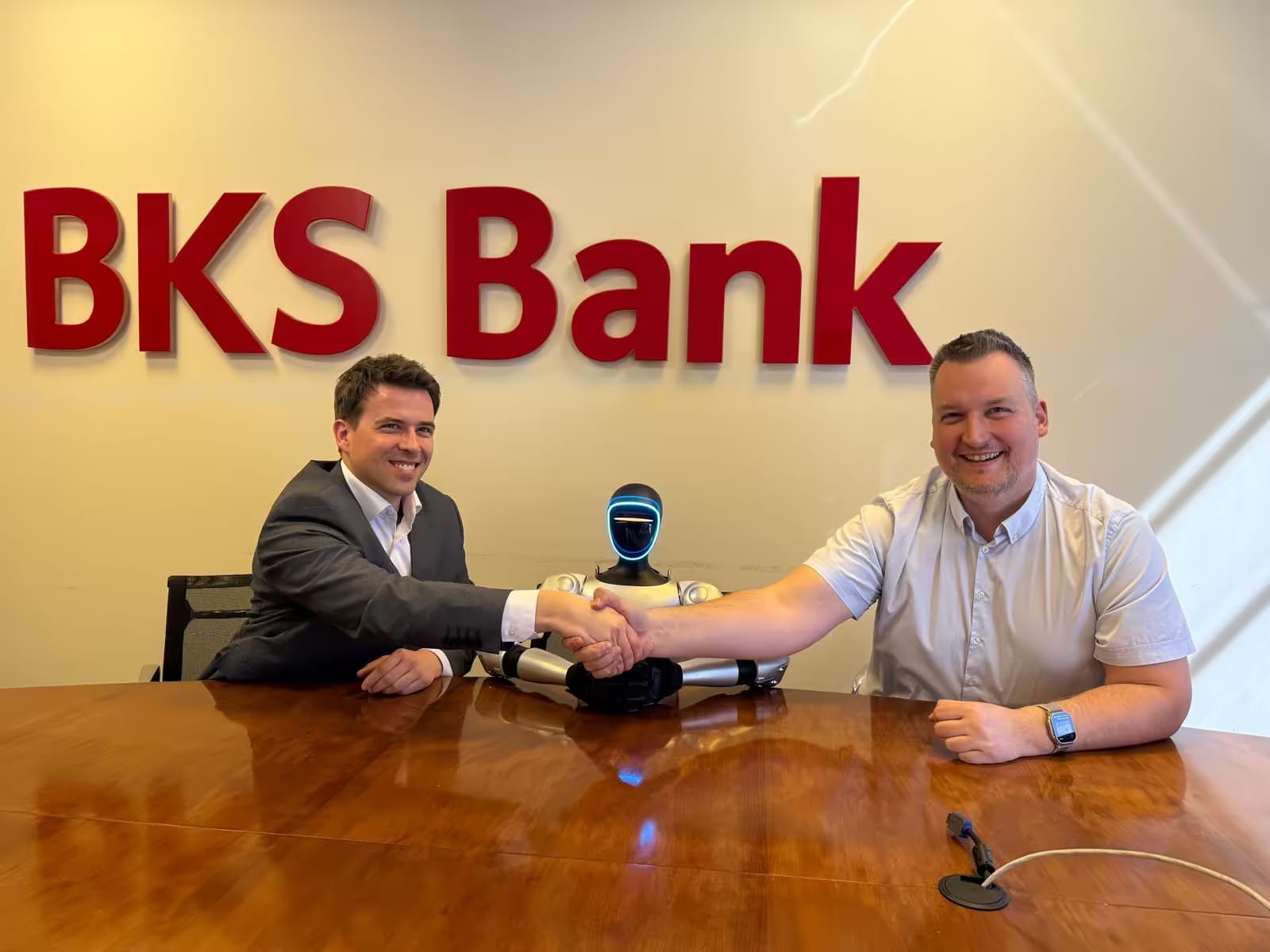
A pilot project at Peruna.
Pilot project: a humanoid robot at Peruna
One of our pilot projects is the introduction of a humanoid robot at Peruna, a disability-employment company.
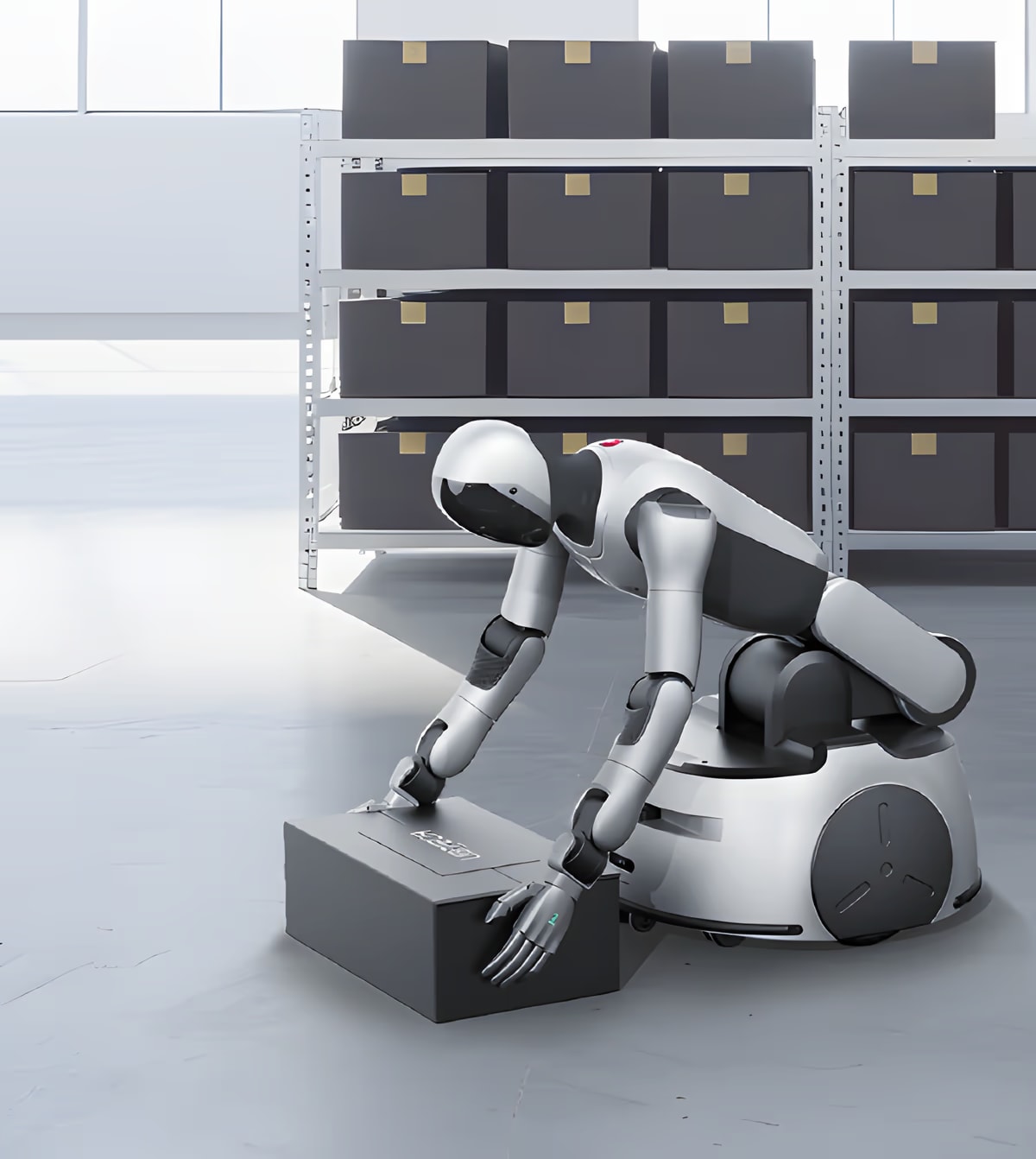
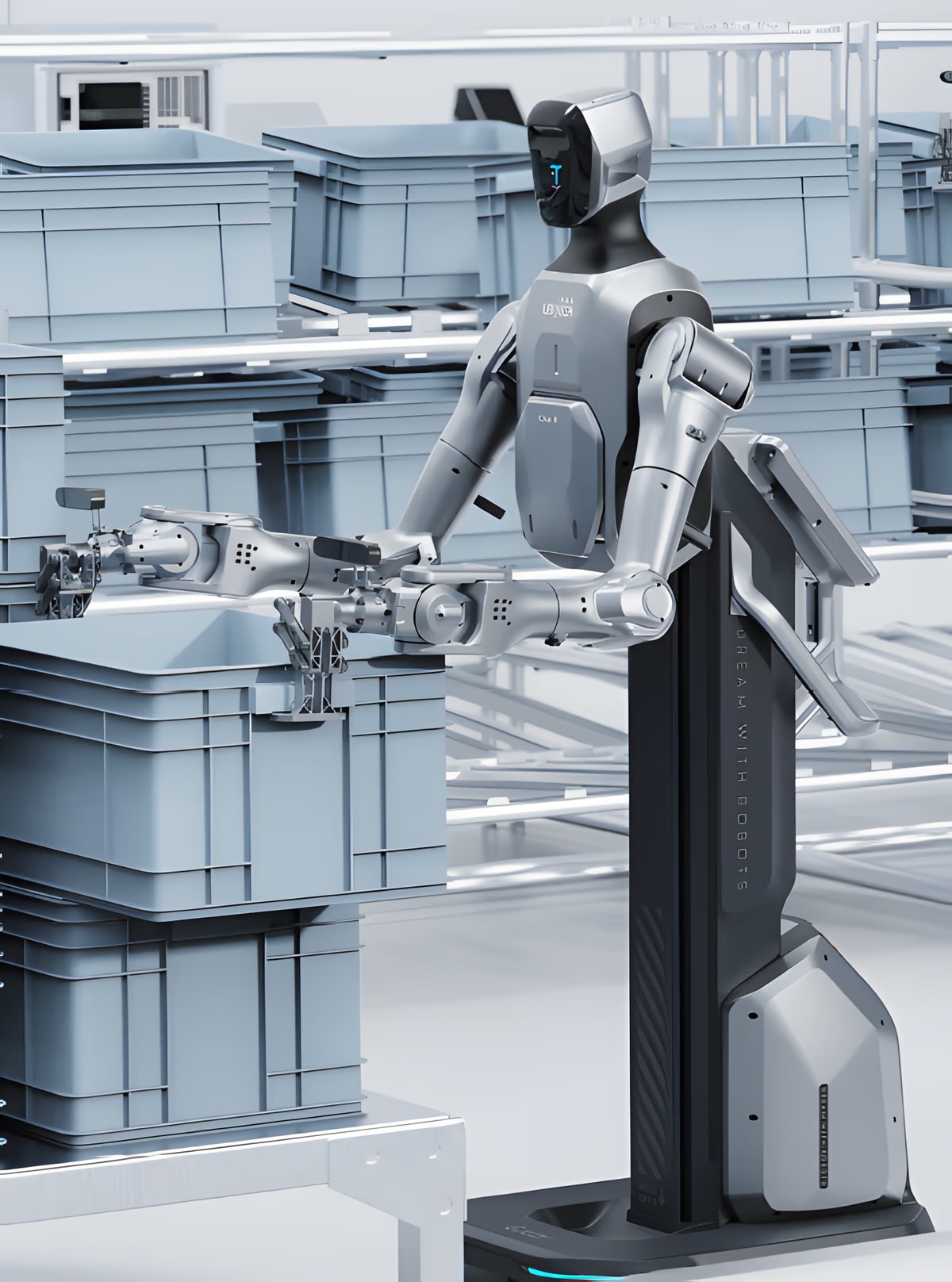
The first step was not choosing a robot but analysing production, work processes, the space and the company's concrete needs. On that basis we established that the UBTECH CRUZR S2 on a wheeled platform suits Peruna's environment best.
Because the technology has to adapt to the environment, not the environment to the technology.
Introducing the robot to the staff step by step was just as much a part of the pilot. We gave them direct contact with the technology, room for questions and hands-on trials, because successful integration does not depend only on what the robot can do, but also on safety, trust and the people who will work alongside it.
Robots fit for industrial work
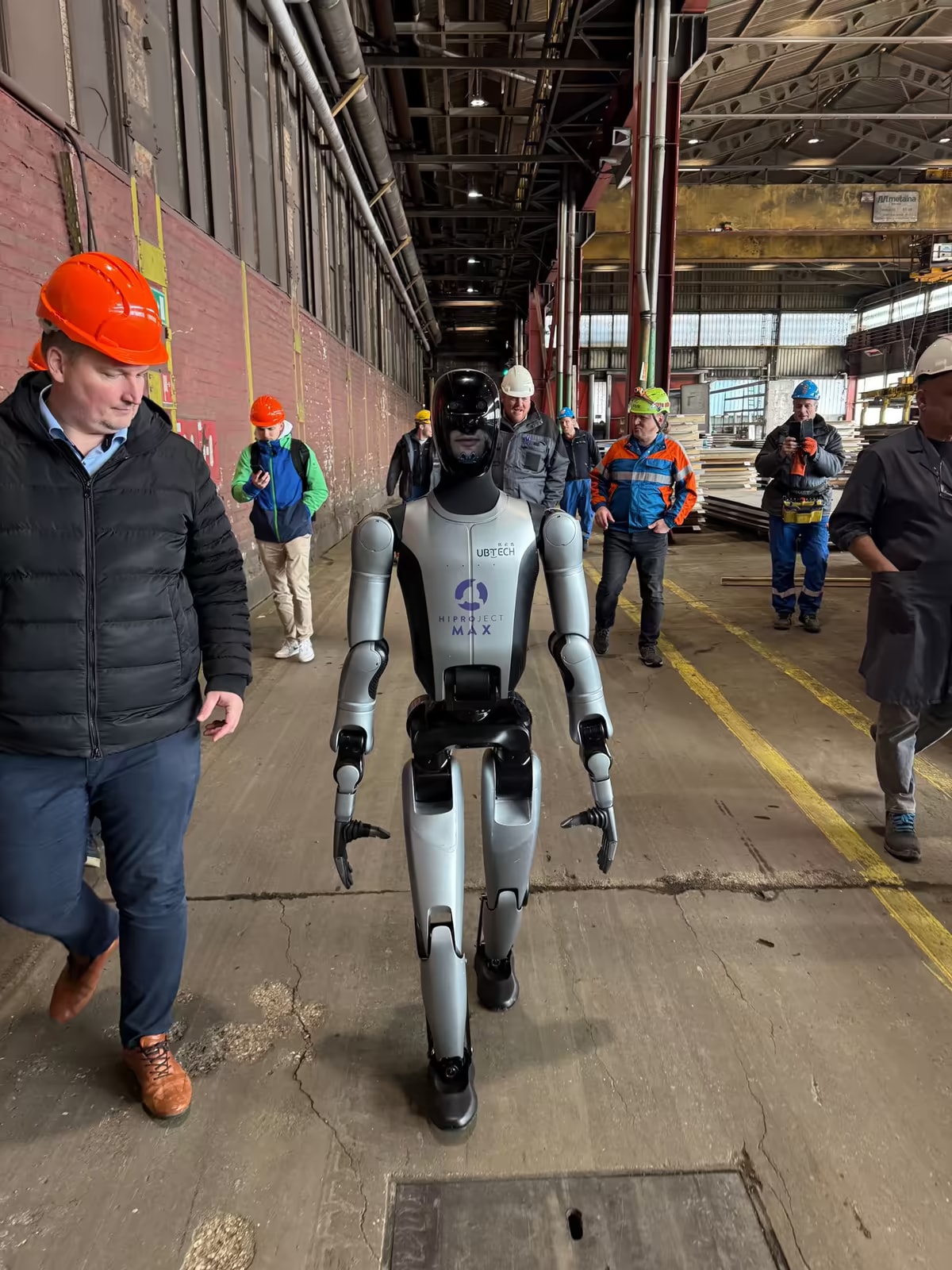
We are the exclusive UBTECH distributor for Slovenia, Croatia, Serbia, Bosnia and North Macedonia. UBTECH humanoid robots are the most advanced humanoid robots in the world, specialised for industrial environments.
We also represent and integrate the other leading manufacturers of humanoid robots. Every model is chosen for your specific needs, not for what happens to be in stock.