 HIPROBOT

Humanoid robots in healthcare and care
Staff shortages, burnout, and more and more people who need care
Do you know the feeling?
On the ward, staff run from bed to bed, through paperwork and the transport of samples and equipment. In a care home, a nurse hurries from room to room.
Meals, laundry, records, medication reminders.
For a conversation, for a touch, for a moment of attention there is often no time left. Not for the patient, not for the resident.
Slovenia is short of nurses and healthcare technicians by a wide margin.
Social care is in the same position: one care home in four in Slovenia now has empty beds purely because of staff shortages.
For the same reason many homes cannot admit residents with more demanding medical needs, even when the places are there.
Meanwhile administrative and routine work keeps growing. Transport, records and repetitive tasks take the time staff need for patients and residents.
And so you stay caught between two pressures that are not easing: a chronic shortage of staff in the most demanding places, and a growing volume of work that takes away the time staff wanted this profession for.
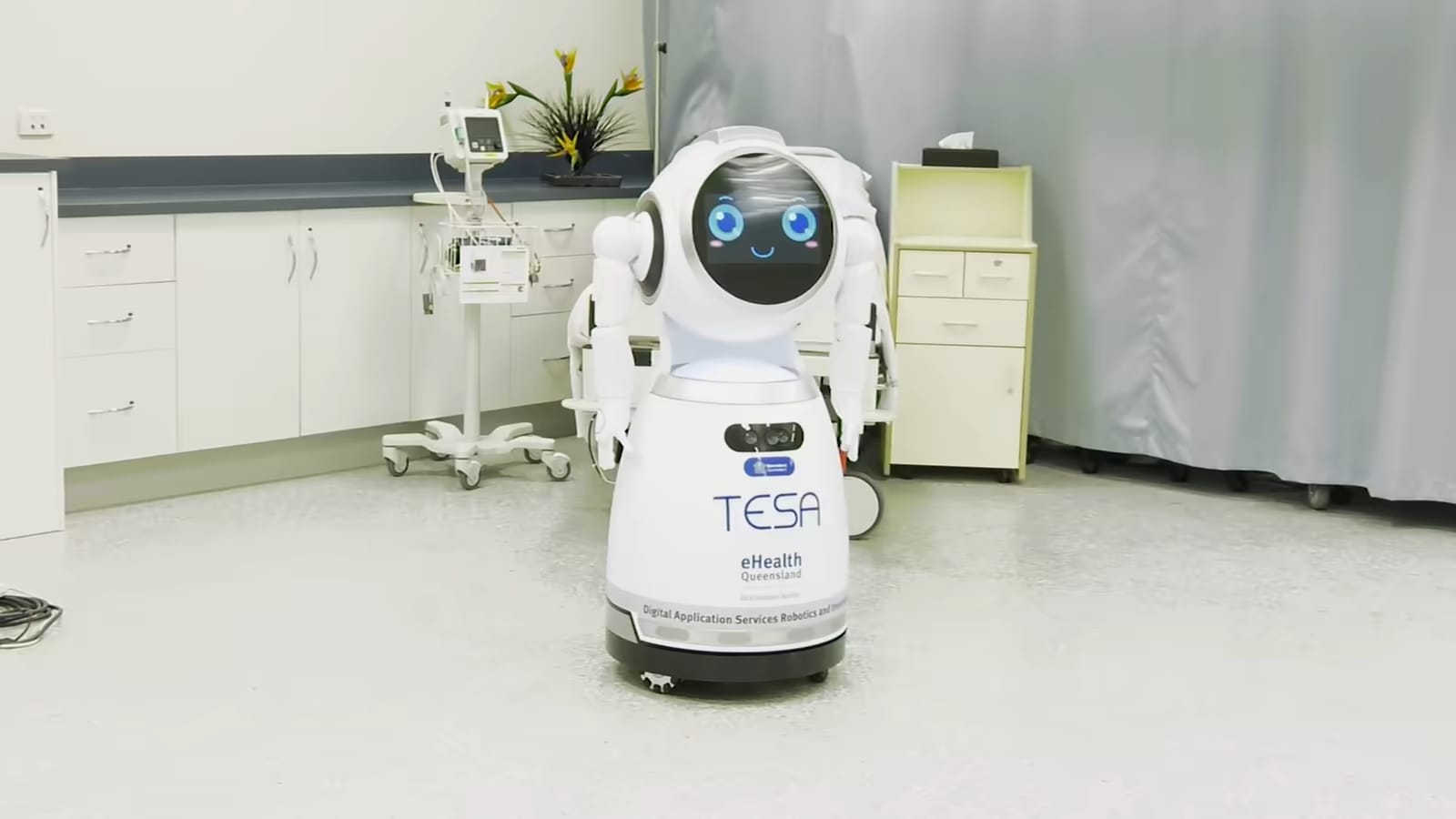
Are humanoid robots even suited to healthcare and elderly care?
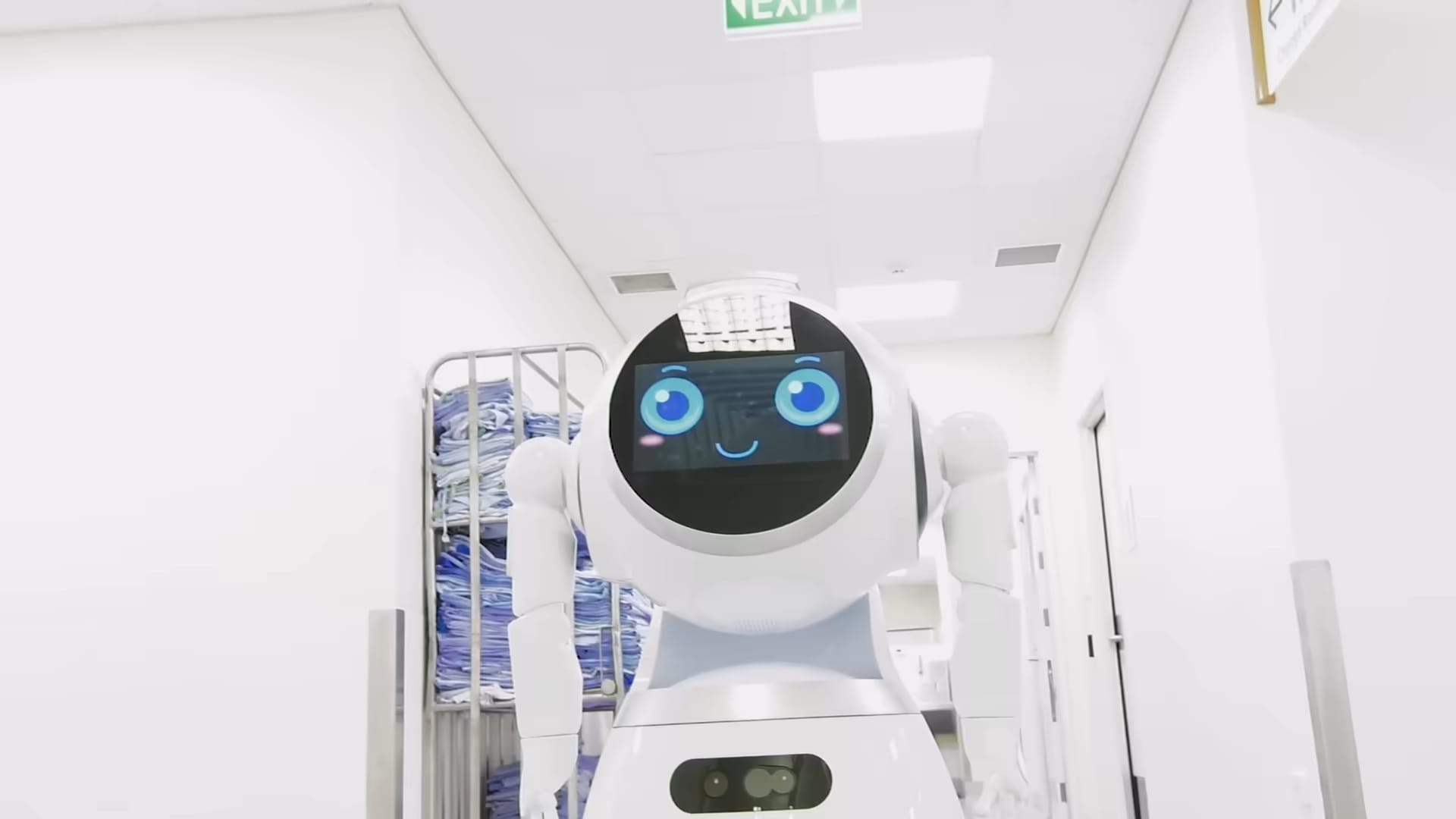
You see the answer in a humanoid robot.
And then comes the question you do not say out loud, because you are expected to be decisive:
Will a robot not feel cold and impersonal, in a place where trust and human warmth are the whole relationship?
Will patients, residents and staff accept it at all, or will they see it as a threat and be afraid of it?
What if it breaks down mid-shift, or in the middle of the night?
Who supports you when something goes wrong?
Those doubts are a sign that you are thinking it through. We understand.
That is why we work differently.
A ward and a home where staff again have time to be with a person
If robots take over the repetitive, routine work, staff can be themselves again. People. Present. Attentive. Where human closeness and judgement cannot be replaced.
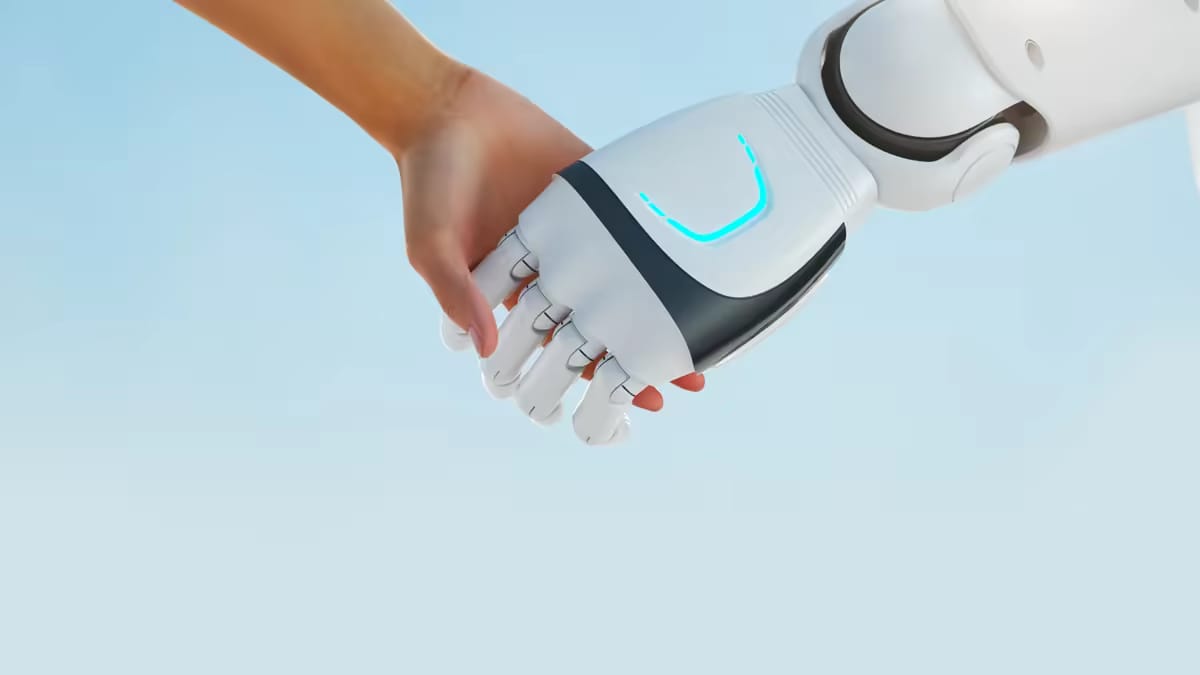
Patients and residents get the attention there is currently no room for. Staff get help: less burnout, fewer people leaving the profession, more time for what they chose it for.
For the institution it means steadier wards and staff who stay.
A team with more than 20 years in automation and integration into demanding environments
Most institutions that try a robot hit the same trap: they get a device, not a solution. The robot stands in the corridor, understands neither the ward's protocols nor the home's rhythm, and staff ignore it.
At HIPROJECT it works differently.
First we get to know your ward or home and your people. Only then do we propose a solution.
We analyse where staff carry the heaviest load and where a robot would relieve the most.
We design the solution around your institution.
Fitted to your spaces, hygiene standards, protocols and the daily rhythm of your patients or residents. You do not get a robot out of a box. You get a solution that understands how your institution runs.
Data security and people's dignity are not a compromise.
The robots run on local, European servers. Data about patients and residents stays inside your institution.
Step by step introduction for staff and, where it makes sense, for patients or residents too.
Your team learns to work with the robot as an assistant, not as a rival. Together we build a process that works inside your existing protocols.
We stay, long after the start.
Service, maintenance, upgrades. We are not a supplier who disappears once the contract is signed. We are a partner for the long road.
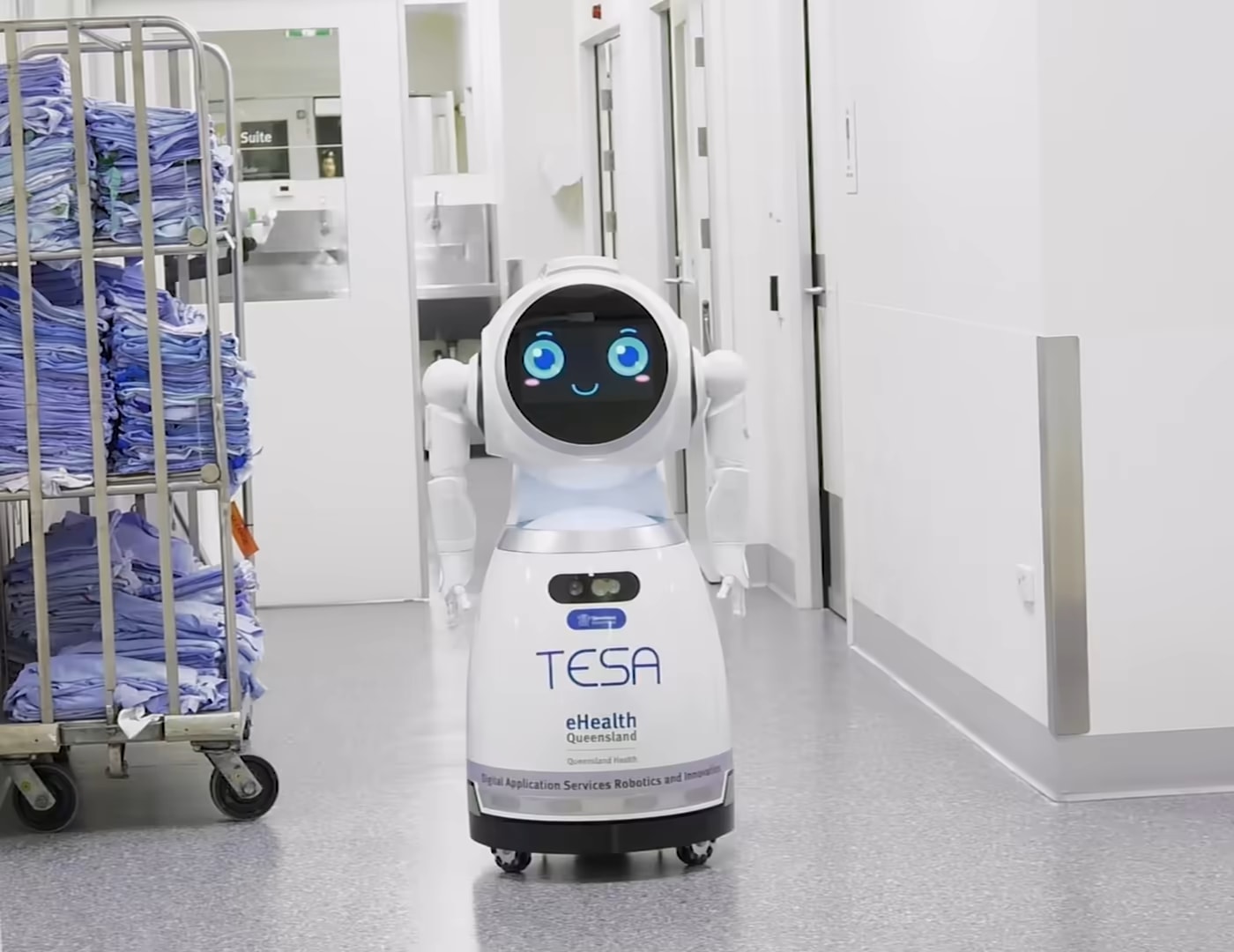
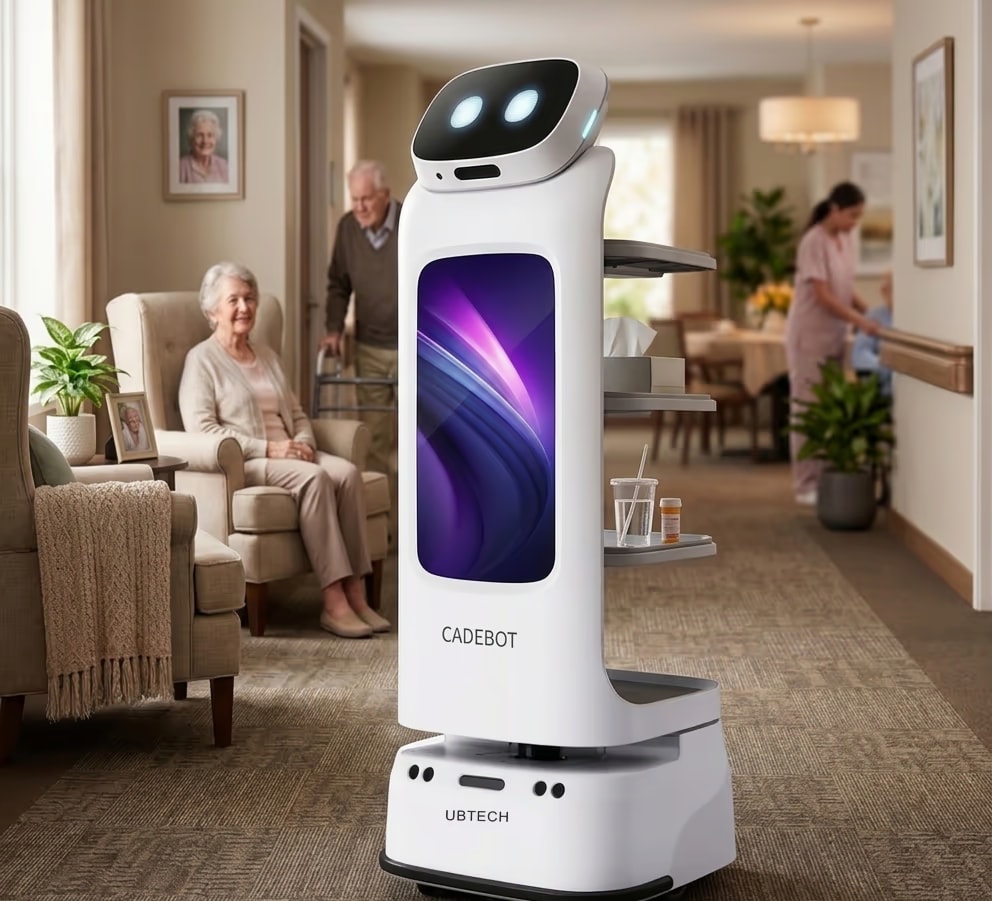
Robots suited to work in healthcare and care homes
We are UBTECH's exclusive distributor for Slovenia, Croatia, Serbia, Bosnia and North Macedonia. UBTECH's humanoid robots are among the most advanced in the world.
We also represent and integrate the other leading humanoid robot manufacturers. We choose each model for your institution and your needs, not for what happens to be in stock.